
Energy Performance Certificate (EPC) Changes – What you Need to Know

The UK’s drive toward net zero carbon emissions by 2050 is accelerating changes to how buildings are assessed, managed, and upgraded for energy performance. Energy Performance Certificates (EPCs) are central to this shift, with tightening standards expected to significantly impact landlords, developers, investors, and occupiers.
What’s Changing?
Higher Minimum Energy Efficiency Standards (MEES)
- The government has proposed increasing the minimum EPC rating for privately rented non-domestic and domestic properties.
- Commercial properties are expected to require EPC Band B by 2030 (subject to final legislation).
- Residential rental properties are expected to target EPC Band C by 2030.
EPC Methodology Reform
- The Government is reviewing EPC methodologies to better reflect operational performance, carbon emissions and energy consumption rather than simply theoretical modelling.
- Greater emphasis on operational energy use, fabric performance, and services efficiency.
Increased Compliance & Enforcement
- Local authorities are expected to have stronger enforcement powers.
- Financial penalties and compliance risks will increase for non-compliant assets.
Narrowing Exemptions
- Existing exemptions under MEES are likely to become more restrictive, requiring stronger justification and evidence.
Integration with Wider ESG & Building Safety Agendas
- EPC compliance is increasingly linked with ESG reporting, asset valuation, and investment strategy.
- Greater alignment with frameworks such as net zero pathways and whole-life carbon assessments.
What This Means for Property Owners & Stakeholders
- Stranded Assets Risk:
Properties with poor EPC ratings may become unlettable or devalued without intervention. - Capital Expenditure Planning:
Significant upgrade works (fabric, MEP systems, renewables) may be required. - Transaction Risk:
EPC ratings will increasingly influence acquisition decisions, due diligence, and funding. - Operational Impacts:
Higher energy efficiency expectations from occupiers and corporate tenants.
How We Can Support You
Our Building Surveying team delivers practical and commercial solutions for managing EPC risk and enhancing building performance, all tailored to your assets. Our approach includes:
EPC & MEES Risk Assessments
- Review of current EPC ratings and identification of compliance gaps
- Portfolio-wide analysis to prioritise high-risk assets
Technical Building Assessments
- Detailed appraisal of building fabric, services, and thermal performance
- Identification of inefficiencies and targeted improvement measures
Improvement & Decarbonisation Strategies
- Cost-effective upgrade pathways to achieve target EPC ratings
- Alignment with planned maintenance and refurbishment programmes
Design & Specification of Works
- Technical specifications for energy improvements (fabric, services, renewables)
- Compliance with the Building Regulations 2010 and sustainability objectives
Project Delivery & Contract Administration
- Full lifecycle support from feasibility through to completion
- Cost control, programme management, and quality assurance
Regulatory & Compliance Advisory
- Clear guidance on evolving EPC and MEES requirements
- Support with exemptions, reporting, and compliance strategies
Pre-Acquisition & Due Diligence
- EPC risk profiling during acquisition
- Advice on future compliance liabilities and capital expenditure
Why Act Now?
- Stay ahead of legislative deadlines and avoid penalties
- Protect and enhance asset value and marketability
- Reduce energy costs and carbon emissions
- Align with ESG targets and investor expectations
- Integrate improvements into planned lifecycle works, reducing overall cost
Get in Touch
Contact us to discuss how these upcoming EPC changes may affect your portfolio and how we can help you respond effectively. Scroll down and click on Contact Us to complete our online enquiry form, or call our Building Surveying Team on 0113 243 3731.
Related News
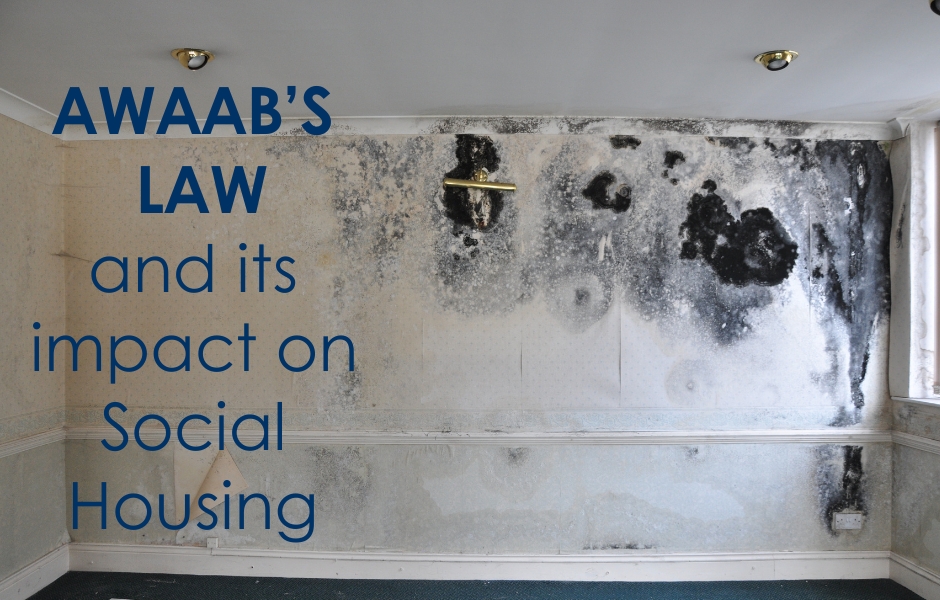
Awaab’s Law: What this means for Social Housing Landlords
Read article